~3000 BC
Babylon
The Babylonians observed the celestial cycles and connected them with life on Earth.
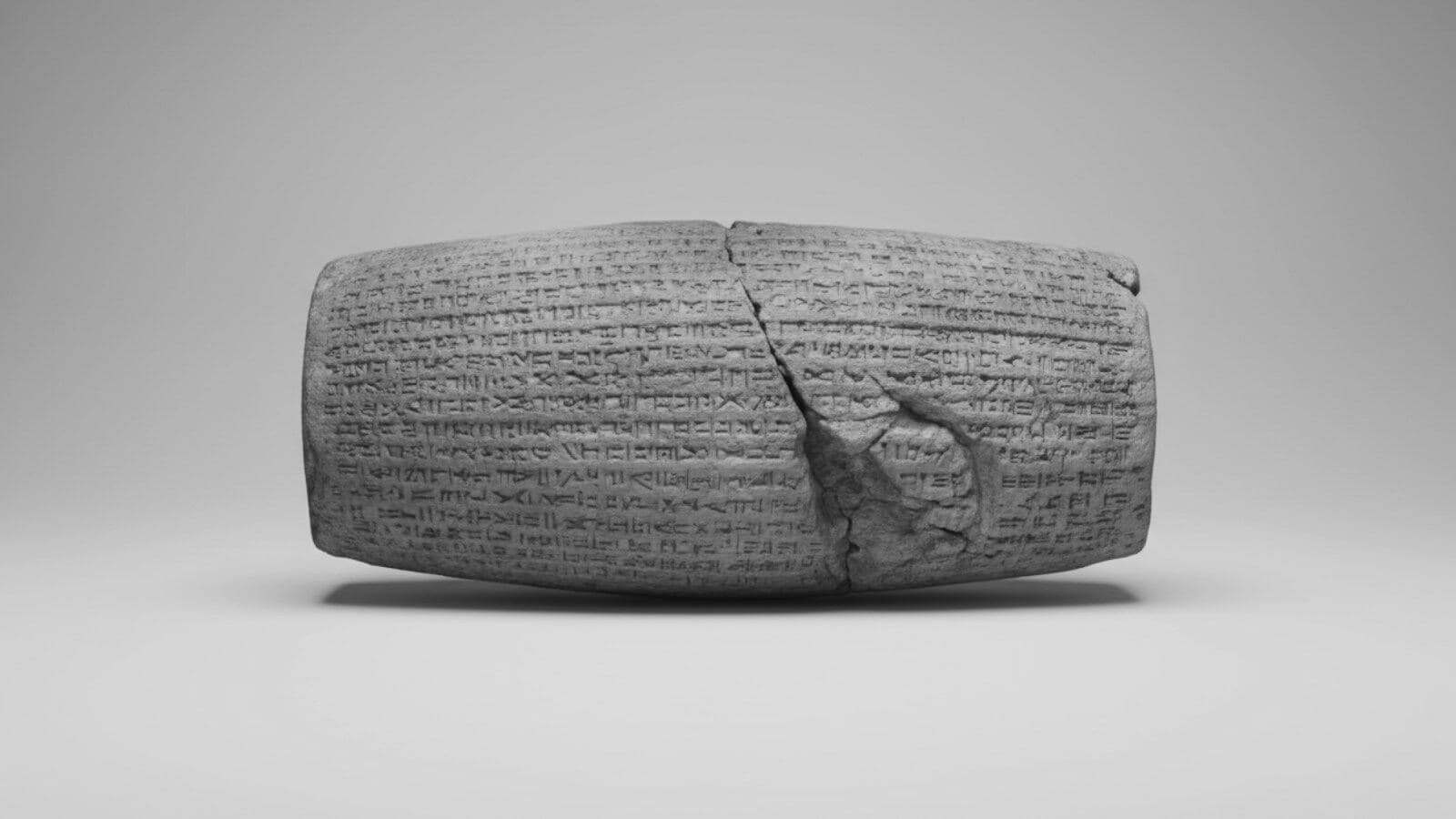
The story
For centuries, the priests of Babylon recorded the movement of the Sun, the Moon and the visible planets. That systematic observation wasn't just astronomy: each celestial cycle was read as a repeatable rhythm with meaning for life on Earth, from sowing to the governing of empires.
From that heritage came the idea that time isn't a neutral flow but a succession of cycles with a character of their own. It's the same intuition behind the reading of the personal year and timing on Molino: some moments call for starting, others for sustaining and others for closing.
Origin
Mesopotamia (present-day Iraq)
Influence
How Molino uses it
The basis of the system of cycles and timing
Transparency
These historical traditions explore numbers and cultural symbols as a tool for personal reflection.
The interpretations belong to the symbolic and cultural field; they aren't scientific predictions. This map combines numerology, astrology and the Chinese zodiac in a transparent, educational way.
Want to see how this tradition applies to your profile?
See my map