Numerology · the math with your date
Numerology
Your date of birth, added digit by digit, gives a number from 1 to 9, or a master number. The math stays in plain sight.
An example: the digits of March 15, 1990
1+9+9+0+0+3+1+5 = 28 → 2+8 = 10 → 1+0 = 1
Life Path 1 · The Leader
Numerology is a traditional symbolic system. Molino uses it as a tool for reflection and self-knowledge. Numerological interpretations don't constitute scientific evidence, predictions or professional diagnoses. The calculations are deterministic and reproducible from the same input data.
Table of contents
What numerology is
Numerology is a belief system that assigns symbolic meanings to numbers. According to this tradition, numbers have qualities and influences that can offer perspectives on personality, life cycles and personal tendencies.
It's important to be clear: numerology isn't a science. There's no empirical evidence to support the idea that numbers determine personality traits or destinies. What does exist is a cultural tradition more than 2,500 years old that Molino uses as a tool for reflection.
In short
Numerology is a symbolic language. Molino uses it as a lens for self-knowledge, not as an objective metric.
History and evolution
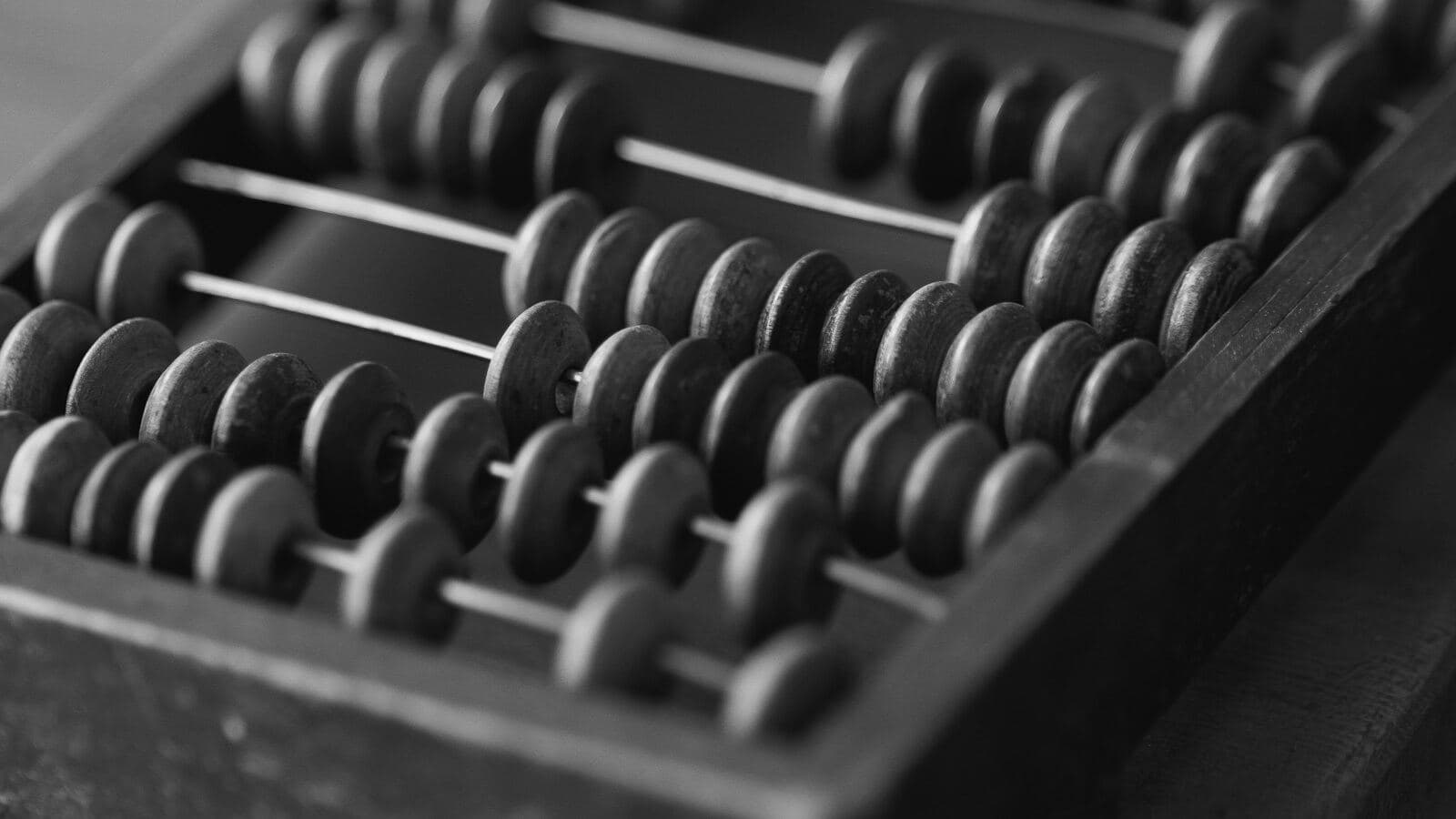
The roots of numerology go back to Babylon (present-day Iraq), where Babylonian astrologers were already associating numbers with cosmological meanings more than 3,000 years ago.
The figure most associated with Western numerology is Pythagoras (c. 570–495 BC), a Greek mathematician and philosopher. According to tradition, Pythagoras taught that numbers were the essence of all reality. However, modern historians distinguish between historical Pythagoreanism (a philosophical-mathematical school) and modern esoteric numerology, which developed centuries later.
Modern numerology took shape in the 20th century with authors such as L. Dow Balliett and Florence Campbell. The system of letter–number correspondences we use today was codified in the 19th century.
Key difference
Historical Pythagoreanism: A philosophical school that saw numbers as the mathematical principles of the universe.
Esoteric numerology: A modern system that assigns personal and predictive meanings to numbers based on dates and names.
What the evidence says
There's no scientific evidence that numbers determine personality traits. Research in psychology hasn't found valid correlations between dates of birth and psychological characteristics.
Pythagorean numerology
Pythagorean numerology is the most widely used system in the West. It assigns numerical values from 1 to 9 to each letter of the alphabet, and then reduces any sum to a single digit.
Correspondence table
Note: This system was codified in the 19th century. The version Molino uses follows this convention. Other numerological systems use different tables.
How Molino calculates
Life Path
The full date of birth is reduced to a single digit, except when it comes to 11, 22 or 33 (master numbers).
Molino uses the continuous reduction method. Other numerological systems may use different calculation methods.
Expression Number
Values are assigned to the letters of the full name, added up and reduced.
The full name at birth is used. This calculation depends on the exact spelling of the name.
Personality Number
It comes exclusively from the day of birth. It represents the energy you project to the world.
It doesn't depend on the name or on the full date. Only on the day you were born.
The numbers from 1 to 9
Each number has a traditional meaning in numerology. These interpretations belong to the tradition and don't represent scientific evidence.
- 1The LeaderAccording to the numerological tradition, 1 represents the active principle, individuality and the capacity for leadership. It's associated with initiative, originality and self-sufficiency.
- 2The BridgeIn the numerological tradition, 2 is associated with duality, cooperation and the ability to mediate. It represents receptive energy and interpersonal sensitivity.
- 3The CreatorIn the numerological tradition, 3 represents creative expression, communication and joy. It's associated with art, sociability and optimism.
- 4The BuilderIn the numerological tradition, 4 represents foundations, organization and discipline. It's associated with structure, reliability and methodical work.
- 5The NomadIn the numerological tradition, 5 represents freedom, change and adventure. It's associated with curiosity, versatility and sensory experience.
- 6The NurturerIn the numerological tradition, 6 represents responsibility, care and harmony at home. It's associated with family, service and unconditional love.
- 7The InvestigatorIn the numerological tradition, 7 represents introspection, analysis and the search for deep knowledge. It's associated with spirituality, wisdom and research.
- 8The Powerful OneIn the numerological tradition, 8 represents power, ambition and materialization. It's associated with material success, authority and strategic vision.
- 9The PhilosopherIn the numerological tradition, 9 represents wisdom, compassion and the culmination of cycles. It's associated with humanity, service and a global vision.
Master numbers: 11, 22 and 33
Master numbers were added to modern numerology. They aren't part of the original Pythagorean system.
- 11The Seer11 is a master number in the numerological tradition, associated with heightened intuition, spiritual inspiration and connection with the transcendent.
- 22The Master Builder22 is a master number associated with the ability to build on a large scale. It's considered the 'Master Builder' for its potential to bring ambitious visions to life.
- 33The Master Healer33 is the highest of the master numbers, associated with universal compassion, healing and service to humanity. It's called the 'Master Healer'.
Limitations and non-scientific nature
Numerology isn't a science. There's no empirical evidence that dates of birth or names determine personality traits, destinies or life cycles. Research in psychology and the cognitive sciences hasn't found valid correlations.
Molino uses numerology as a tool for reflection. The meanings we present belong to cultural and symbolic traditions. The calculations are deterministic and reproducible, but their interpretation is symbolic.
If you're looking for information about health, relationships or important decisions, consult a qualified professional. Numerology doesn't replace medical, psychological or legal advice.
Sources and references
Numerology
Encyclopaedia Britannica · https://www.britannica.com/science/numerology
Pythagoras
Stanford Encyclopedia of Philosophy · https://plato.stanford.edu/entries/pythagoras/
Pythagoreanism
Internet Encyclopedia of Philosophy · https://iep.utm.edu/pythagoreanism/
Numerology and the Divine Triangle
Faith Javane and Dusty Bunker (1979)
Numerology: Key to Your Inner Self
Hans Decoz (1994)
Calculate your Life Path
Enter your date of birth and calculate your Life Path number, Expression and more.
Go to the calculator →Molino is an educational and entertainment platform. Its interpretations belong to the field of symbolic systems and don't constitute scientific predictions, diagnoses or professional advice.