Molino is open source: why transparency is part of your map
Everything Molino does is available on GitHub. No secrets, no hidden algorithms, no data collection behind your back. The open-source philosophy is the guarantee that your privacy matters.
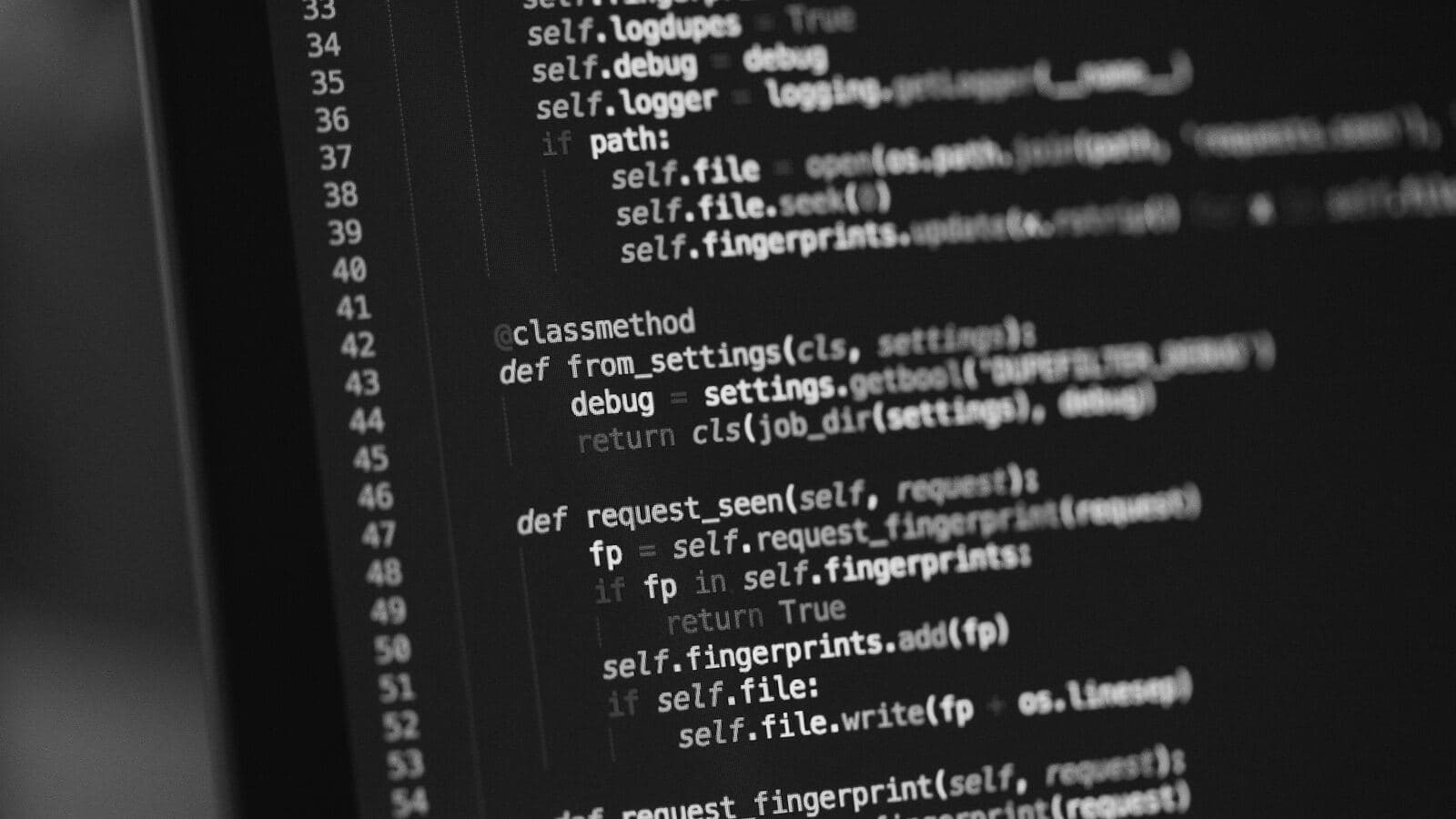
In a world where most technology platforms sell your data, Molino chose the opposite path: being completely open. That means all the code that generates your personal map is available on GitHub for you to read, audit and understand.
It's not an act of corporate generosity. It's a decision about what kind of tool we want to be: one that trusts its users enough to let them see inside.
What does it mean that Molino is open source?
Open source means all the code that makes Molino work is published publicly on GitHub, under the Affero General Public License v3 (AGPL-3.0). It's not just 'available if you ask'. It's 'here it is, read it now'.
Anyone can download the code, study it line by line, verify how your Life Path Number is calculated, how the affinity with another sign is calculated, how your data is (or isn't) stored. No tricks. No hidden algorithms designed to keep you hooked or sell to you.
Open source is a guarantee: if someone noticed a flaw or a vulnerability, they could report it (and they do). If Molino did something malicious, the code would give it away. It's radical transparency.
Why choose open source?
Because a self-knowledge system can't rely on brand magic. The trust you place in Molino has to be grounded in verification, not promises. If we tell you 'your privacy matters to us', the way to prove it isn't with an advertising video: it's letting you look at the code.
Self-knowledge tools — numerology, astrology, the Chinese zodiac — work with deep information: your date of birth, your name, your personal patterns. That deserves a level of trust only transparency can provide.
Also: open source makes Molino better. When hundreds of people can read the code, bugs are found sooner. When someone sees an improvement, they can contribute. It's collaboration instead of corporate secrecy.
Privacy by design: it's not accidental
Molino doesn't store your profile on servers. It doesn't track. It doesn't sell your data. But most importantly, **you can verify that's true** by reading the code.
When you generate your map in Molino, the data is calculated in your browser. It's stored only on your device (in localStorage, where you're in control). When you sign out, it's gone. Nobody at Molino sees your information unless you share it (for example, if you generate a couple link).
That's not a privacy policy that could change tomorrow. It's architecture: it's built into the code. And the code is open for you to confirm it.
Community, not corporation
Open source means Molino isn't just a company. It's a collaborative project. Contributors can propose improvements, translate into other languages, create variants adapted to different numerological cultures, or simply audit security.
Some of the best self-knowledge systems of the future will probably come from open-source communities, not from venture-backed startups. Because the community has no pressure to deliver returns: only the purpose of making tools that work well.
If at some point Molino stopped maintaining the code, the community could carry on. The project doesn't disappear when a company goes bust. It's common property.
How to explore Molino's code
You don't need to be a programmer. The code is at https://github.com/Morpheus3232/molino. You can:
Read the README to understand how it's structured.
Browse the `/lib/engines/` folder to see how the numbers are calculated.
Check `/app/` to see how the interface works.
Look at `/lib/data/` to understand how each numerological concept is defined.
If you don't understand something, you can open an issue (a ticket) and ask. The community answers.
- Read the README to understand how it's structured
- Browse the `/lib/engines/` folder to see how the numbers are calculated
- Check `/app/` to see how the interface works
- Look at `/lib/data/` to understand how each numerological concept is defined
- If you don't understand something, open an issue (a ticket) and ask
What is AGPL and why does it matter?
AGPL-3.0 is an open-source license that says: if you use Molino (even as the basis for another project), you have to share your code too. You can't build a private version that takes the work without giving anything back.
It's the way to make sure Molino stays open. If someone creates a modified version of Molino, that version also has to be open. It's community by default.
For non-profit projects, or for contributions to Molino itself, there's no restriction. Only if you commercialize a derivative of Molino do you have to keep the license open.
Are there risks in being open?
Yes, some. Open source visible to everyone is also visible to malicious people looking for vulnerabilities. But the reality is: closed code isn't more secure, it's just less verifiable. Big hacks usually come from private software because nobody can audit it.
Also: Molino has no centralized data. There's no user database. The typical risk of 'hacking the platform and stealing data' doesn't exist here. The code is the only possible attack surface, and it's being watched by hundreds of eyes.
Open source is, in fact, more secure. It's transparency + community = verified trust.
Molino's future is open source
It's not an experiment. It's the architecture. Molino will always be open because trust in self-knowledge tools can't be built any other way.
If you contribute, if you report bugs, if you help improve Molino, your name will be in the credits. If you translate into another language, your work counts. If you audit the code and find a vulnerability, we thank you (and give you public credit).
Numerology, astrology, the Chinese zodiac — these traditions have existed for thousands of years because they work as mirrors. Molino is just that mirror, but digital and verifiable. And that's for everyone.
Frequently asked questions
Does Molino make money by being open source?
Not directly from licenses. Molino is free and always will be. In the future there could be paid services (such as advanced analyses or consultations), but the base code will remain open and free. The idea is that self-knowledge shouldn't be a luxury.
Can I copy Molino and make my own version?
Yes, under AGPL-3.0. That means: download the code, modify it, use it. But your version also has to be open. You can't sell a private copy of Molino. It's fair: if you benefit from Molino's work, you give the knowledge back.
What if I find a bug in the code?
Open an issue on GitHub (https://github.com/Morpheus3232/molino/issues). Describe what happened, include steps to reproduce it, and the community will see it. The maintainers will address it. You're part of making Molino better.
Does open source mean Molino has no security?
The opposite. Open source is more secure because it can be audited. The best security projects in the world (like OpenSSL, which protects most of the internet) are open source. Privacy in Molino is guaranteed not by secrecy, but by verification.
Do I need to know how to code to use Molino?
No. Molino's interface is for everyone. The open source is for those who want to verify how it works inside. To generate your map, you don't need to touch a line of code.
Want to know what YOUR date of birth says?
Create your free map with numerology, astrology and the Chinese zodiac.
Create my map →Related articles
Your personal map
Cross numerology, astrology and the Chinese zodiac in a single map, free and with no sign-up.
Create my map